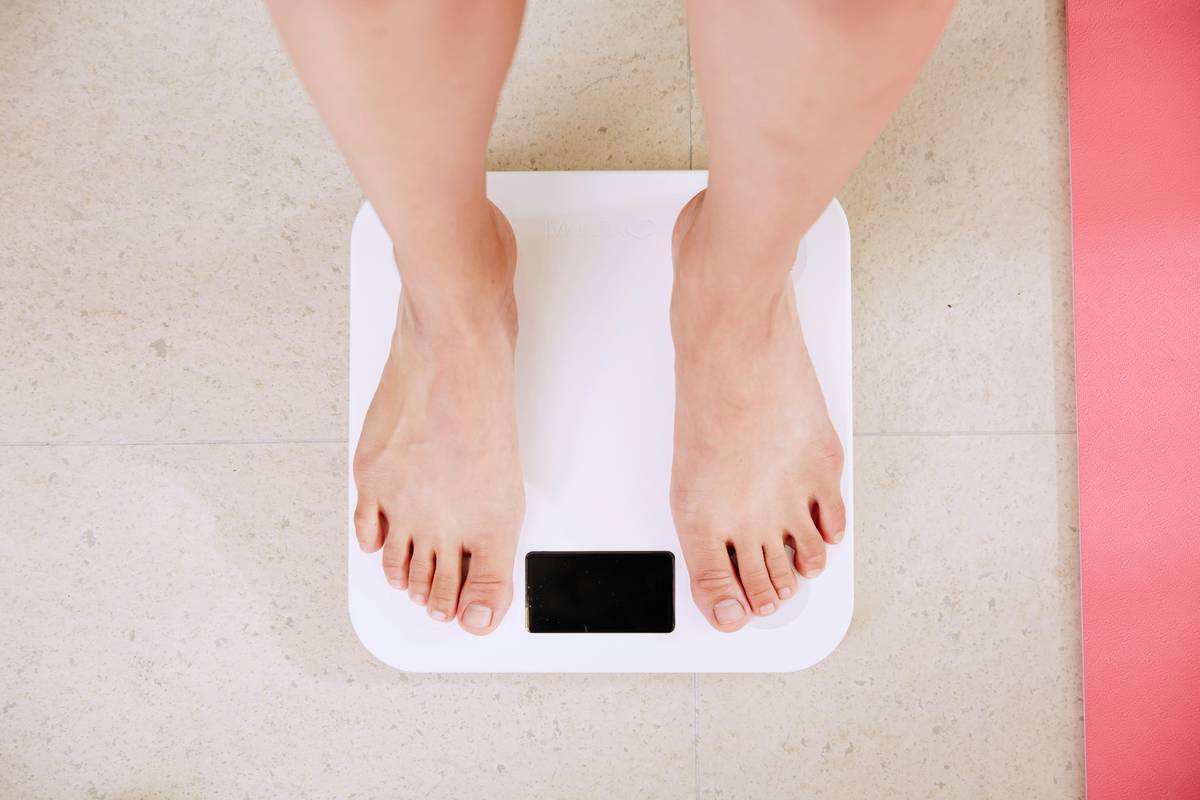
Ever step on the scale after weeks of clean eating and daily walks—only to see the number hasn’t budged? You’re not failing. You’re just flying blind. Without clear feedback, even the best intentions fizzle out by week three. That’s where Goal Tracking Tools come in—not as fancy gadgets, but as your personal accountability co-pilot. In this guide, we’ll cut through the noise and show you exactly how to use these tools to stay motivated, measure what matters, and finally cross that finish line. No fluff, no fake before-and-afters—just real tactics that work when your willpower runs dry.
Table of Contents
- Why Goal Tracking Matters in Weight Loss
- Step-by-Step Guide to Using Goal Tracking Tools Effectively
- Best Practices for Sustainable Motivation
- Real Results: How Others Transformed with Tracking
- Frequently Asked Questions
Key Takeaways
- Tracking progress—not just weight—fuels long-term motivation.
- Digital tools reduce mental load and prevent discouragement.
- Consistency beats perfection; small wins compound fast.
- Linking actions to values (e.g., “I track to play with my kids”) boosts resilience.
Why Goal Tracking Matters in Weight Loss
I learned this the hard way. Two years ago, I committed to losing 25 pounds. I logged every meal in a notebook, walked 10K steps daily, and even gave up weekend brunch mimosas. But after six weeks? Zero change on the scale. I nearly quit—until I realized I hadn’t tracked non-scale victories: better sleep, looser jeans, more energy climbing stairs. That insight saved my journey.
Weight loss isn’t linear. Hormones, water retention, and muscle gain can mask fat loss. According to the National Institutes of Health (NIDDK), sustainable weight management requires monitoring multiple metrics—not just pounds. This is where Goal Tracking Tools become essential. They shift focus from frustrating plateaus to meaningful progress markers.
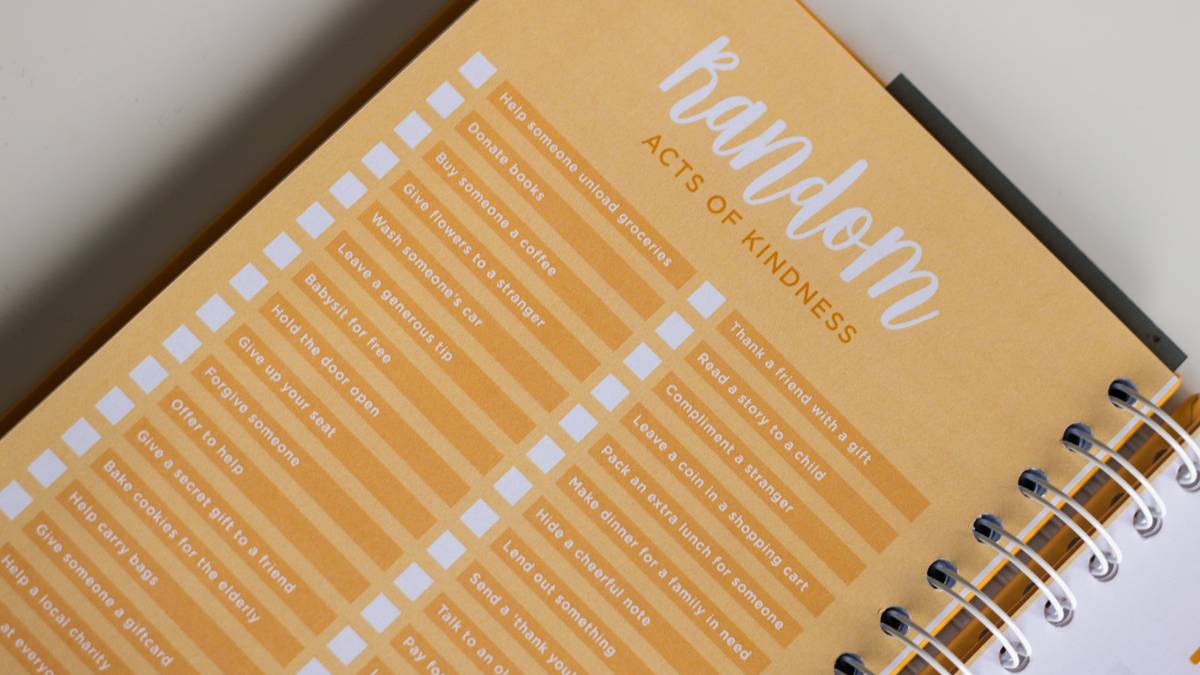
Step-by-Step Guide to Using Goal Tracking Tools Effectively
Pick the Right Tool for Your Brain Type
If you love data, try apps like MyFitnessPal or Lose It! If you prefer simplicity, a habit-tracking journal works. The key? Match the tool to how your mind processes information.
Define Micro-Goals, Not Just End Results
Instead of “lose 30 pounds,” set: “log meals 6 days/week” or “hit 8K steps 5 days/week.” These are controllable behaviors—unlike weight, which has external variables.
Schedule Weekly Review Rituals
Every Sunday evening, spend 10 minutes reviewing your tracker. Celebrate consistency (“I hit my protein goal 90% of days!”), not just outcomes. Adjust next week’s targets based on what worked.
Best Practices for Sustainable Motivation
- Track non-scale victories weekly: Energy levels, clothing fit, mood improvements.
- Use visual cues: Color-code good days on a calendar—it triggers dopamine.
- Avoid the “all-or-nothing” trap: Missed a day? Reset immediately—don’t wait for Monday.
- Pair tracking with a reward system: After 4 consistent weeks, treat yourself to a massage (not food!).
⚠️ Terrible Tip Alert: “Just weigh yourself daily!” Nope. Daily fluctuations cause unnecessary stress. Weigh once a week max—same time, same conditions.
Rant time: Why do so many “experts” still push calorie counting as the ONLY metric? Real health includes sleep quality, stress levels, and joy in movement. If your tracker doesn’t capture those, it’s incomplete. Period.
Real Results: How Others Transformed with Tracking
A 2022 study published in Obesity found participants who used digital tracking tools lost 3x more weight over 6 months than those who didn’t—primarily because they stayed engaged during plateaus (source). One participant, Maria K., tracked her water intake and sleep alongside meals. She discovered dehydration mimicked hunger—and fixing it reduced late-night snacking by 70%. Her total loss: 42 pounds in 8 months.
At Passionate Contacts, we’ve seen clients using simple spreadsheet trackers double their gym consistency within 30 days. It’s not magic—it’s visibility. When effort becomes measurable, quitting feels wasteful.
Frequently Asked Questions
What’s the best free goal tracking app for weight loss?
Cronometer offers detailed nutrient tracking without ads, while Google Sheets gives full customization. Both sync across devices and require no payment—perfect for testing what works.
How often should I update my Goal Tracking Tools?
Daily for habits (steps, water, meals), weekly for reflections (energy, mood, measurements). Over-tracking breeds burnout—keep it minimal but meaningful.
Can tracking actually hurt motivation?
Yes—if you fixate on “perfect” logs. Remember: tools serve you, not vice versa. If logging feels like punishment, simplify your method or take a 3-day break.
Do I need to track forever?
No. Use tracking intensely for 8–12 weeks to build awareness, then taper to spot-checks. Like training wheels, they’re temporary scaffolding for new habits.
Where can I learn more about sustainable weight loss strategies?
Explore our About Us page to understand our evidence-based philosophy. Always consult your physician before starting any program—read our full Privacy Policy if sharing health data digitally.
Ready to personalize your plan?
We’ve helped hundreds align their tracking systems with real-life routines. If you’re stuck, contact us—we’ll help you build a frictionless system that sticks.
Motivation isn’t found. It’s built—one logged win at a time. Your future self is already thanking you.