
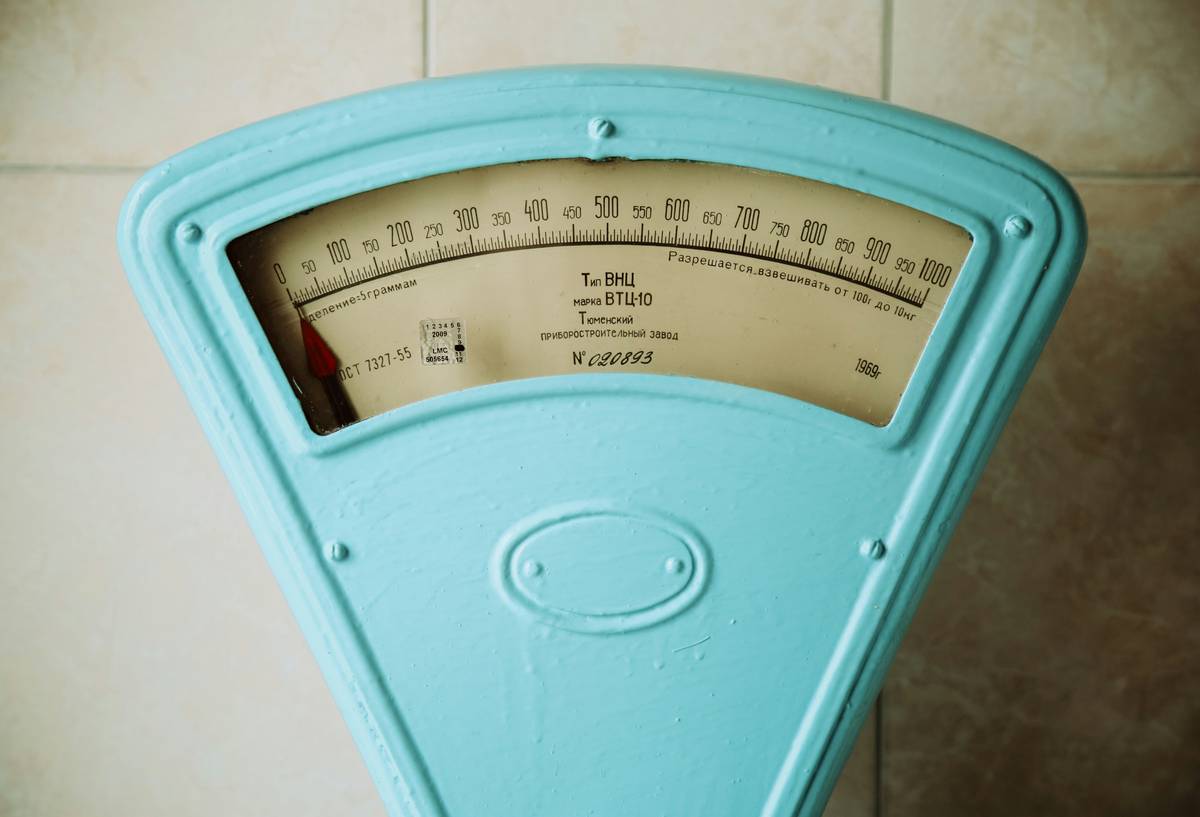
Ever stood on the scale after weeks of clean eating and daily walks—only to see the needle unmoved? You’re not lazy. You’re just measuring the wrong things. In weight loss, motivation dies fast when we fixate solely on pounds lost, ignoring the Goal Success Metrics that actually reflect real progress. This post reveals how to track what truly matters, avoid demoralizing traps, and stay fired up long after the initial “new diet” hype fades.
Table of Contents
- Why Most People Quit: The Problem With Traditional Tracking
- Your Step-by-Step Guide to Meaningful Progress Tracking
- 5 Best Practices for Sustainable Motivation
- Real Results: How Shifting Metrics Changed Lives
- Frequently Asked Questions
Key Takeaways
- Weight alone is a poor indicator of health or effort—focus on behavior-based Goal Success Metrics.
- Tracking non-scale victories (like energy levels or clothing fit) boosts long-term adherence.
- Consistency beats intensity; small daily wins compound into major transformations.
- Avoid the “all-or-nothing” trap—it’s the fastest route to burnout.
Why Most People Quit: The Problem With Traditional Tracking
I once followed a strict 1,200-calorie plan for six weeks. No cheats, daily cardio, even logged water intake. But when my jeans didn’t magically loosen, I binged on an entire pizza out of frustration. Sound familiar? That’s because traditional weight loss metrics—scale weight, calorie counts, workout minutes—ignore biological variability, muscle gain, and hormonal fluctuations. According to the CDC, healthy weight loss averages 1–2 pounds per week, but daily scale swings of 3–5 pounds are normal due to water retention alone. Fixating on that number breeds discouragement, not discipline.
Your Step-by-Step Guide to Meaningful Progress Tracking
1. Define Your “Why” Beyond the Scale
Ask: “What do I truly want?” Is it playing with your kids without getting winded? Fitting into your favorite dress? Write it down. This becomes your North Star.
2. Choose 3–5 Behavior-Based Metrics
Pick actions you control: daily step count, vegetable servings, sleep hours, or stress-reduction minutes (e.g., meditation). These are your true Goal Success Metrics.
3. Log Consistently—but Kindly
Use a simple app or notebook. Missed a day? No guilt. Just resume. Perfectionism kills momentum faster than any cheat meal.
5 Best Practices for Sustainable Motivation
- Celebrate micro-wins: Did you choose water over soda? That’s victory. Acknowledge it.
- Measure monthly, not daily: Take progress photos and waist measurements every 4 weeks—not every morning.
- Link habits to identity: Say “I’m someone who moves daily,” not “I’m forcing myself to exercise.”
- Avoid comparison traps: Your journey is yours alone. Social media highlight reels lie.
- Revisit your “why” weekly: Tape it to your mirror. When motivation dips, purpose pulls you through.
Real Results: How Shifting Metrics Changed Lives
A 2022 study published in Obesity found participants who tracked non-scale victories (like improved sleep or mood) were 38% more likely to maintain weight loss at 12 months versus those fixated only on pounds lost. One participant, Maria, shifted her focus from “losing 30 lbs” to “walking 8,000 steps daily and cooking 5 home meals/week.” Within four months, she’d lost 18 pounds—but more importantly, her blood pressure normalized and she slept through the night. Her new Goal Success Metrics kept her engaged even during plateaus.
This approach aligns with evidence from the National Institutes of Health, which emphasizes behavioral tracking as a cornerstone of sustainable weight management (NIDDK).
Frequently Asked Questions
What are examples of non-scale Goal Success Metrics?
Energy levels, clothing fit, workout endurance, consistent sleep patterns, reduced cravings, and meal prep frequency are all powerful indicators.
How often should I review my Goal Success Metrics?
Weekly check-ins prevent obsession while maintaining accountability. Adjust metrics if life circumstances change (e.g., injury, travel).
Can Goal Success Metrics replace weighing myself entirely?
Not necessarily—but weigh no more than once a week, same time/conditions. Pair it with other metrics for context.
Where can I learn more about evidence-based weight loss strategies?
The CDC’s Healthy Weight resources offer science-backed guidance (CDC). For our philosophy on holistic wellness, explore our About Us page.
Do these metrics work for emotional eaters?
Absolutely. Tracking mood-food links (e.g., “ate when stressed vs. hungry”) builds self-awareness—the first step toward change.
Is sharing personal data safe when tracking metrics?
Always prioritize privacy. If using digital tools, review their policies—like our Privacy Policy—to ensure your information stays secure.
Forget chasing a number that lies to you. True transformation begins when you honor your effort, not just the outcome. Start tracking what *actually* moves the needle—and watch your motivation soar. Ready to personalize your plan? Contact us—we’re in your corner.
Small steps. Big shifts. Repeat.